
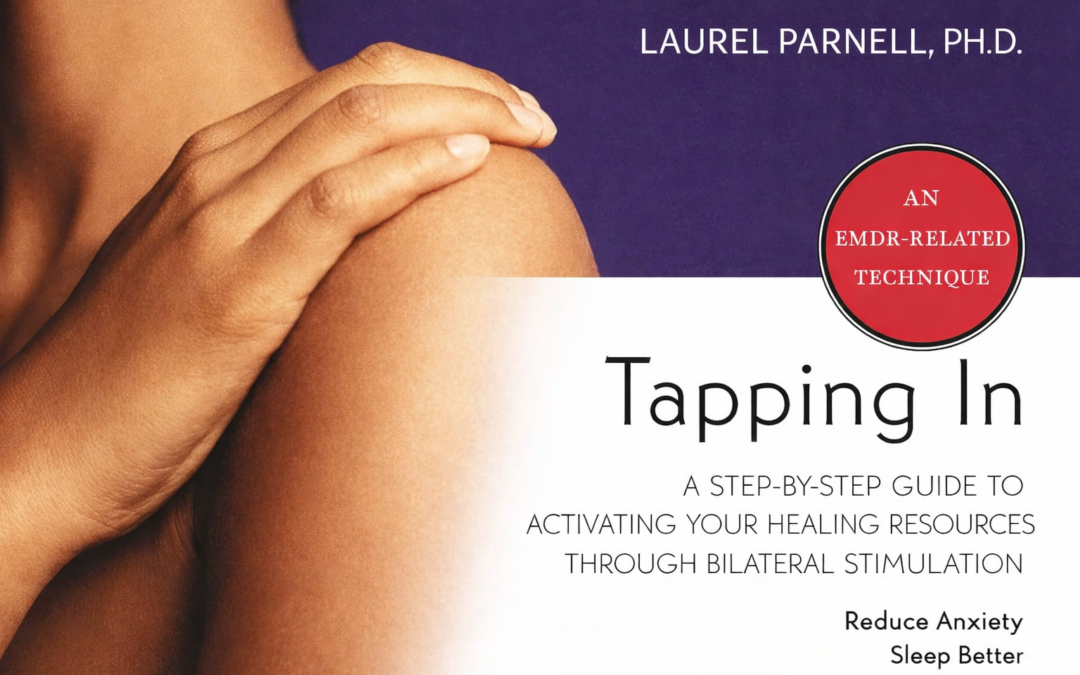
Bilateral stimulation – using alternating stimuli on both sides of the body – has been a revolutionary part of modalities that address PTSD, such as EMDR and ART. In this training, we will do a deep dive into Laurel Parnell’s book “Tapping In,” which explains how bilateral stimulation – a powerful resource – can easily be taught to clients who are struggling with anxiety, depression, addiction, disordered eating, and more. This training will be experiential, with the goal that you learn a wide variety of practical and effective somatic tools, all based on bilateral stimulation, that you can share with your clients.
Upon completion of this training, participants will be able to:
- Identify various manners in which to engage in bilateral stimulation
- Describe the physiological and emotional of effects of engaging in bilateral stimulation
- Describe theories that explain the science behind bilateral stimulation
- Utilize bilateral stimulation for mental health issues such as anxiety, addiction and disordered eating
- Assist clients in employing bilateral stimulation in order to address a variety of mental health issues, including anxiety, addiction, and disordered eating
Syllabus:
Introduction to Bilateral Stimulation (BLS)
- Define bilateral stimulation and its therapeutic relevance
- Identify the sensory forms of BLS including visual, auditory, and tactile methods
- Understand its application in EMDR-informed therapy and grounding techniques
Objective #1: Benefits and Effects of BLS
- Promote relaxation and reduction in physiological arousal
- Increase attentional flexibility and support emotional distancing
- Reduce the emotional intensity of distressing memories
- Support integration of memory into long-term storage with less vividness
Objective #2: Theories Behind How BLS Works
- Alternate hemispheric activation theory
- Dual-task model involving simultaneous memory recall and stimulation
- Engagement of working memory to lower emotional activation
Objective #3: BLS Techniques and Resourcing Practices
- Tapping on knees for grounding and regulation
- Butterfly hug for self-soothing and containment
- Havening for relaxation and emotional regulation
- Two-hand object pass for coordination and bilateral engagement
- EFT-style tapping to combine acupressure and affirmation
Objective #4: Internal Resource Development Exercises
- Nurturing figures and adult self-protector imagery
- Safe space and peaceful place visualizations
- Inner wisdom figure and inner helper exercises
- Circle of protection and role models to foster safety and empowerment
- Comforting and empowering memories to build resilience
Objective #5: Additional Resource-Based Practices
- Goal visualization and creating safety within the body
- Imagery involving loved people or animals
- Heart breath, inner child work, and nature scenes
- Favorite things list and loving-kindness meditation
- Gratitude exercises and creating personal cue words
Objective #6: Clinical Applications of BLS Techniques
- Use of BLS for managing anxiety symptoms
- Application with addiction recovery and urges
- Support for individuals dealing with disordered eating patterns
- Pain management through grounding and resourcing
Social workers completing this course receive 3 Clinical asynchronous continuing education credits.
For other board approvals, this course qualifies for 3 Clinical continuing education training.
Instructor: Dreya Blume, LCSW
Recording Date: November 10, 2024
CEUS On-Demand, LLC, provider #2274, is approved as an ACE provider to offer social work continuing education by the Association of Social Work Boards (ASWB) Approved Continuing Education (ACE) program. Regulatory boards are the final authority on courses accepted for continuing education credit. ACE provider approval period: 08/7/2026 - 08/6/2027. Social workers completing this course receive 3hrs Clinical continuing education credits.
CEUs On-Demand, LLC has been approved by NBCC as an Approved Continuing Education Provider, ACEP No. 7091. Programs that do not qualify for NBCC credit are clearly identified. CEUs On-Demand, LLC is solely responsible for all aspects of the programs.
System Requirements: Firefox, Chrome, Brave, Safari, Edge on any modern operating system (Windows, MacOS, Linux, Android, iOS). A desktop browser is recommended. We do not provide support resources for issues encountered using a mobile device.
Request for Special Accommodations: Learners can request special accommodations by contacting the administrative team at admin@ceus-ondemand.com