
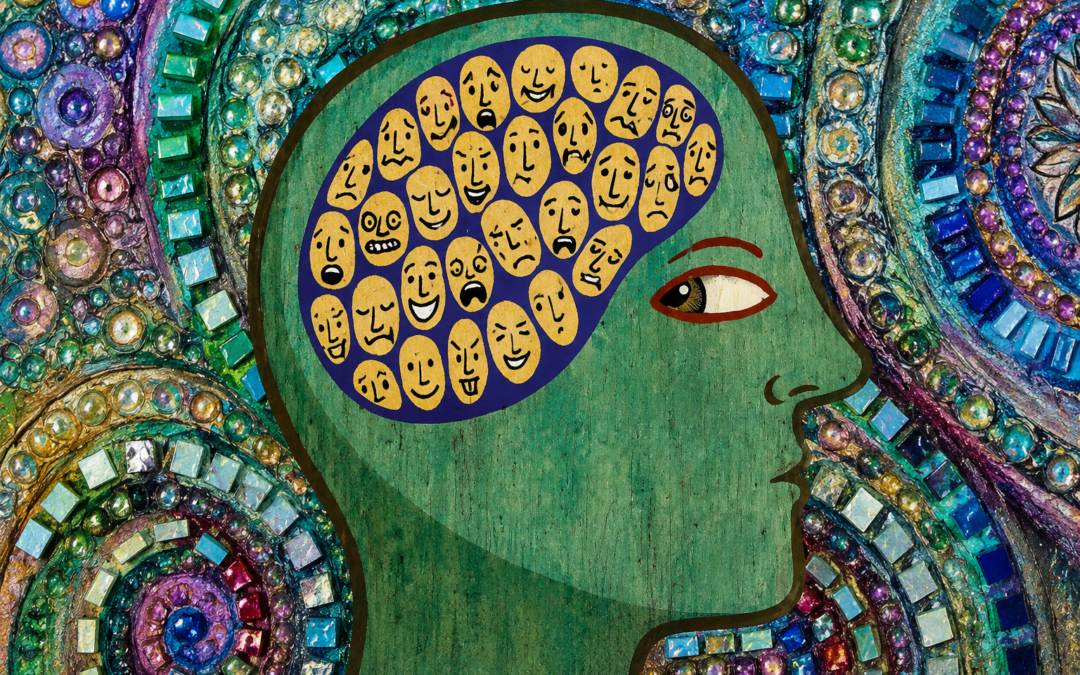
This three-hour training introduces participants to the Internal Family Systems (IFS) model in a way that’s clear, grounded, and surprisingly relatable. Instead of treating “resistance” and “symptoms” as problems to fix, we’ll get curious about the parts of us that work so hard behind the scenes—our vigilant Managers, impulsive Firefighters, and tender Exiles—and the Self that can lead them with compassion.
Through teaching, gentle experiential exercises, and real-world examples, participants will begin to recognize their own inner system and the systems they see in clients. We’ll stay safely in introductory territory (no unburdening work here), while still giving you a solid, clinically useful foundation in the IFS view of the mind.
Upon completion of this training, participants will be able to
- Understand the core foundations of the IFS model.
- Identify and differentiate Managers, Firefighters, and Exiles in self and others.
- Recognize and cultivate Self energy as an internal resource.
Syllabus:
Introduction
Objective #1: Understand the core foundations of the IFS model.
- Describe the basic assumptions of IFS, including multiplicity of mind and the idea that there are no bad parts.
- Differentiate between Self and parts, and recognize why IFS treats symptoms as protective strategies rather than pathology.
- Use core IFS language (parts, system, Self, protectors, exiles) accurately in conversation and documentation.
Objective #2: Identify and differentiate Managers, Firefighters, and Exiles in self and others.
- Describe the typical roles, strategies, and “personality” of Managers, Firefighters, and Exiles, with concrete examples.
- Recognize common Manager and Firefighter patterns in everyday clinical presentations (e.g., perfectionism, shutdown, numbing, overworking, anger bursts)
- Begin to sketch a simple parts “map” for themselves or a client, staying at a low-to-moderate level of intensity and safety.
Objective #3: Recognize and cultivate Self energy as an internal resource.
- Name key qualities of Self (such as curiosity, compassion, calm, and clarity) and notice how Self feels different from a blended part.
- Practice brief centering skills that support Self energy (e.g., slowing down, noticing parts, appreciating their efforts without fusing with them).
- Describe how a Self-led stance shifts clinical work—especially in how we relate to “difficult” behaviors, strong emotions, and our own reactions as helpers.
Summary/Q&A
Social workers completing this course receive 3 Clinical asynchronous continuing education credits.
For other board approvals, this course qualifies for 3 Clinical continuing education training.
Instructor: Sarah Czopek, LCPC
Recording Date: April 18th, 2026
CEUS On-Demand, LLC, provider #2274, is approved as an ACE provider to offer social work continuing education by the Association of Social Work Boards (ASWB) Approved Continuing Education (ACE) program. Regulatory boards are the final authority on courses accepted for continuing education credit. ACE provider approval period: 08/7/2026 - 08/6/2027. Social workers completing this course receive 3hrs Clinical continuing education credits.
CEUs On-Demand, LLC has been approved by NBCC as an Approved Continuing Education Provider, ACEP No. 7091. Programs that do not qualify for NBCC credit are clearly identified. CEUs On-Demand, LLC is solely responsible for all aspects of the programs.
System Requirements: Firefox, Chrome, Brave, Safari, Edge on any modern operating system (Windows, MacOS, Linux, Android, iOS). A desktop browser is recommended. We do not provide support resources for issues encountered using a mobile device.
Request for Special Accommodations: Learners can request special accommodations by contacting the administrative team at admin@ceus-ondemand.com