
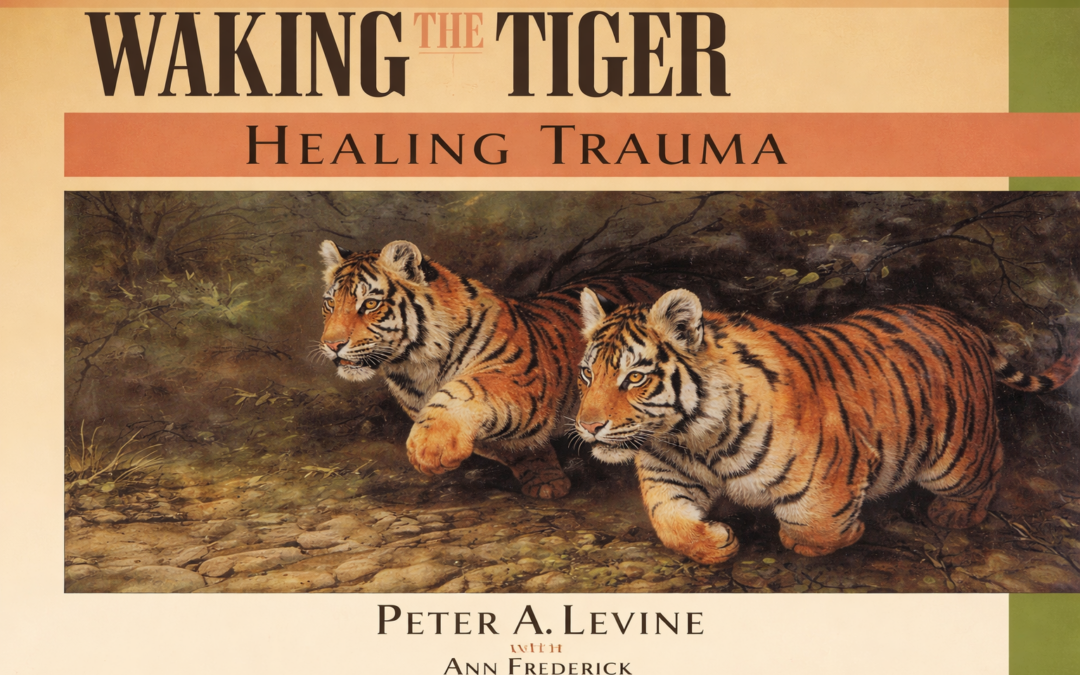
Somatic Experiencing (SE) is a body-centered approach to treating PTSD (post-traumatic stress disorder) that, rather than focusing only on thoughts or emotions associated with a traumatic event, expands to include the natural bodily (somatic) responses. It was first conceptualized by trauma therapist Dr. Peter Levine in the 1970s and in the years since it has come to be considered a leading-edge therapy for PTSD. SE builds awareness, coherence, and self-regulation. The result is a deeper understanding of the body/mind connection with an improved ability to release and regulate emotions. It also helps manage stress, resolve issues related to trauma, heal from and navigate life transitions, and relationships, and build resilience.
Upon completion of this training, the participant will be able to:
- Define the Core Concepts of “The Body As Healer”
- Understand the Mystery of Trauma and the Body’s Retention of Trauma
- Identify Core Traumatic Reaction Arousal
- Explain How Biology of Trauma Becomes Pathology – Fear & Immobility
Syllabus:
Objective #1: Core Concepts of Somatic Experiencing
- Understand trauma as a physiological condition, not just psychological
- Learn how animals naturally discharge traumatic energy through shaking and movement
- Explore the body’s role in retaining and resolving trauma
- Define trauma as unprocessed energy trapped in the nervous system
- Recognize the goal of Somatic Experiencing (SE) as reintegrating fragmented parts of the self
Objective #2: Somatic Awareness and Safety in SE
- Develop internal awareness through interoception, proprioception, and kinesthetic sensing
- Use the body as the primary access point to gently explore trauma
- Avoid direct reactivation of traumatic memories in early stages
- Establish safety through gradual and non-verbal methods
Objective #3: The Three Core Strategies of SE
- Resourcing: help clients identify feelings of safety or comfort
- Titration: slowly introduce small pieces of traumatic material for manageable processing
- Pendulation: shift between states of activation and calm to restore balance
Objective #4: SE in Practice: Techniques and Session Structure
- Increase tolerance for bodily sensations and emotional arousal
- Track sensations to support regulation and gradual release of trauma
- Use techniques such as breathing, visualization, and grounding to support the process
- Intentionally evoke and settle arousal for nervous system regulation
Objective #5: SIBAM Framework in Somatic Experiencing
- Sensation: become aware of internal physical experience
- Image: observe sensory impressions, mental pictures, and memories
- Behavior: notice postures, movements, and impulses
- Affect: observe emotions and their physical expression
- Meaning: reflect on interpretations, language, and cognitive understanding
Objective #6: Coupling Dynamics and Trauma Disruption
- Define coupling as the association between stimuli and physiological responses
- Identify overcoupling (exaggerated linkage) and undercoupling (disconnection or absence)
- Explore how trauma disrupts natural flexibility across SIBAM channels
- Guide clients toward balance and regulation across all five SIBAM elements
Objective #7: Applications and Expansion of SE
- Practice trauma release exercises (TREs) developed with David Berceli
- Support clients through body-based approaches to healing deeply held patterns
- Reinforce the importance of safe pacing, compassionate guidance, and nervous system attunement
- Recognize SE as a bottom-up approach that emphasizes safety, connection, and gradual change
Social workers completing this course receive 1.5 Clinical asynchronous continuing education credits.
For other board approvals, this course qualifies for 1.5 Clinical continuing education training.
Instructor: Dreya Blume, LCSW
Recording Date: September 15, 2024
CEUS On-Demand, LLC, provider #2274, is approved as an ACE provider to offer social work continuing education by the Association of Social Work Boards (ASWB) Approved Continuing Education (ACE) program. Regulatory boards are the final authority on courses accepted for continuing education credit. ACE provider approval period: 08/7/2026 - 08/6/2027. Social workers completing this course receive 1.5hrs Clinical continuing education credits.
CEUs On-Demand, LLC has been approved by NBCC as an Approved Continuing Education Provider, ACEP No. 7091. Programs that do not qualify for NBCC credit are clearly identified. CEUs On-Demand, LLC is solely responsible for all aspects of the programs.
System Requirements: Firefox, Chrome, Brave, Safari, Edge on any modern operating system (Windows, MacOS, Linux, Android, iOS). A desktop browser is recommended. We do not provide support resources for issues encountered using a mobile device.
Request for Special Accommodations: Learners can request special accommodations by contacting the administrative team at admin@ceus-ondemand.com