
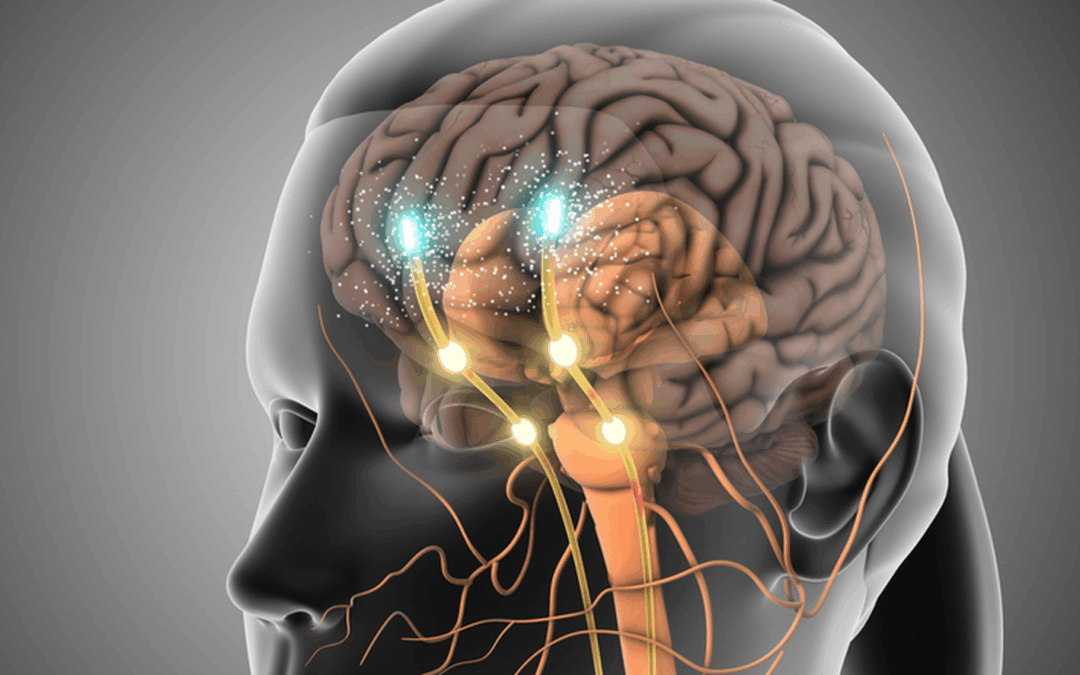
Designed for licensed clinicians, this 3-hour continuing education course goes deep on evidence-based ways to support nervous system regulation and the mind-body connection. It starts with the physiology behind stress, trauma and regulation and shows how different nervous system states shape mental health. From there, participants study current research on trauma-informed approaches, such as somatic interventions, polyvagal theory and mindfulness practices, with the goals of better emotional regulation, greater resilience and improved outcomes for clients.
Upon completion of this training, participants will be able to
- Understand the physiological and neurological foundations of the nervous system.
- Identify the impact of the nervous system on emotion regulation and mental health.
- Practice advanced, evidence-based strategies for nervous system regulation.
- Help clients reframe traumatic experiences and integrate somatic interventions.
Syllabus:
Introduction
Objective #1: Exploring the Physiology of Stress, Trauma, and the Nervous System
- Review the autonomic nervous system (ANS) and its role in stress responses, focusing on the sympathetic and parasympathetic systems.
- Examine polyvagal theory and the role of the vagus nerve in emotional regulation, safety, and connection.
- Discuss how trauma impacts the nervous system, leading to dysregulation, and explore its role in mental health conditions like PTSD, anxiety, and depression.
Objective #2: Advanced Nervous System Regulation Techniques
- Introduce advanced somatic techniques such as body scanning, grounding, and breathwork to activate parasympathetic responses and reduce sympathetic overactivation.
- Provide evidence-based methods for integrating mindfulness, sensory awareness, and
- self-compassion practices to help clients build emotional resilience and regulate their nervous systems.
- Explore the use of trauma-informed techniques to facilitate the integration of traumatic memories and support nervous system balance.
Objective #3: Therapeutic Yoga Techniques and the Mind-Body Trauma Connection
- Explore the role of therapeutic yoga in nervous system regulation, focusing on how specific poses, breathwork, and mindfulness techniques can help activate the parasympathetic nervous system and restore balance.
- Discuss the mind-body trauma connection, explaining how trauma is stored in the body and how certain yoga practices, such as grounding poses and restorative stretches, can release tension and promote healing by engaging the body in a therapeutic way.
- Provide practical guidance on incorporating therapeutic yoga into clinical practice, including how to integrate simple, client-friendly yoga techniques to help clients reconnect with their bodies, reduce stress, and enhance emotional regulation during and after trauma processing.
Summary/Q&A
Social workers completing this course receive 3 Clinical asynchronous continuing education credits.
For other board approvals, this course qualifies for 3 hours of Clinical continuing education training.
Instructor: Christi Garner, LMFT
Recording Date: April 12, 2025
CEUS On-Demand, LLC, provider #2274, is approved as an ACE provider to offer social work continuing education by the Association of Social Work Boards (ASWB) Approved Continuing Education (ACE) program. Regulatory boards are the final authority on courses accepted for continuing education credit. ACE provider approval period: 08/7/2026 - 08/6/2027. Social workers completing this course receive 3hrs Clinical continuing education credits.
CEUs On-Demand, LLC has been approved by NBCC as an Approved Continuing Education Provider, ACEP No. 7091. Programs that do not qualify for NBCC credit are clearly identified. CEUs On-Demand, LLC is solely responsible for all aspects of the programs.
System Requirements: Firefox, Chrome, Brave, Safari, Edge on any modern operating system (Windows, MacOS, Linux, Android, iOS). A desktop browser is recommended. We do not provide support resources for issues encountered using a mobile device.
Request for Special Accommodations: Learners can request special accommodations by contacting the administrative team at admin@ceus-ondemand.com