
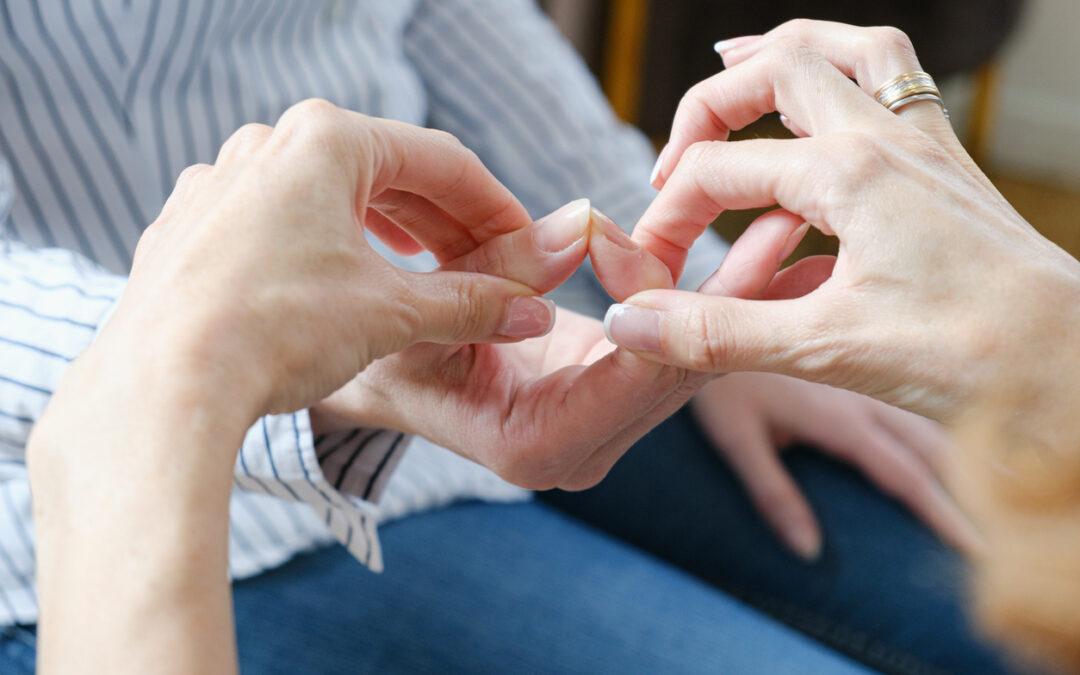
Movement can heal trauma and strengthen emotional regulation. The course covers the neuroscience and clinical uses of bilateral movement techniques, including bilateral stimulation in EMDR, rhythmic movement and sensorimotor approaches. Participants learn how bilateral movement engages the brain, calms the nervous system and aids trauma processing for people with PTSD, anxiety and related conditions. The session reviews eye movements, tapping and auditory stimulation in trauma therapy, plus the benefits of rhythmic activity like walking, drumming and drawing. Clinicians leave with practical ways to bring movement into practice, helping clients manage distress, build emotional resilience and connect mind and body. You will end with a stronger grasp of how motion supports healing and self-regulation in trauma-informed care.
Upon completion of this training, participants will be able to
- Describe the neurobiological mechanisms of bilateral movement techniques, including how they influence brain function, nervous system regulation, and emotional processing in individuals affected by trauma.
- Identify at least two bilateral movement-based interventions, such as eye movement desensitization and reprocessing (EMDR), rhythmic movement, and sensorimotor approaches, in promoting trauma recovery and emotional regulation.
- Apply at least two practical, evidence-based bilateral movement strategies within clinical practice to help clients manage distress, enhance self-regulation, and strengthen mind-body integration in trauma-informed care.
Syllabus:
Introduction
- Welcome and Overview of the Topic
Objective #1: Describe the Neurobiological Mechanisms of Bilateral Movement Techniques
- Review the neuroscience of trauma and dysregulation
- Understand how bilateral movement engages both hemispheres of the brain
- Discuss vagal tone, polyvagal theory, and the role of the autonomic nervous system
- Explore how bilateral input influences the Default Mode Network and emotional processing
- Review neuroimaging research supporting bilateral stimulation and trauma integration
Objective #2: Identify Bilateral Movement-Based Interventions for Trauma Recovery
- Introduction to Eye Movement Desensitization and Reprocessing (EMDR)
- Overview of auditory, visual, and tactile bilateral stimulation options
- Review rhythmic movement strategies: walking, drumming, bilateral drawing
- Understand how sensorimotor approaches incorporate physical gestures and body awareness
- Identify age-specific and developmentally appropriate applications for children, teens, and adults
Objective #3: Apply Practical Strategies to Support Regulation and Integration
- Learn grounding and resourcing techniques using bilateral movement
- Practice bilateral tapping, breathwork, and movement breaks
- Explore clinical examples and case vignettes using rhythmic walking and EMDR
- Identify contraindications and safety considerations
- Discuss therapist self-regulation and movement-based practices for vicarious trauma prevention
Key takeaways/Q&A
- Key takeaways and reflections
- Open discussion and final thoughts
Social workers completing this course receive 1.5 Clinical asynchronous continuing education credits.
For other board approvals, this course qualifies for 1.5 Clinical continuing education training.
Instructor: June 3, 2025
Recording Date: Samantha Silverberg-Stout, Ph.D., L.P.C.
CEUS On-Demand, LLC, provider #2274, is approved as an ACE provider to offer social work continuing education by the Association of Social Work Boards (ASWB) Approved Continuing Education (ACE) program. Regulatory boards are the final authority on courses accepted for continuing education credit. ACE provider approval period: 08/7/2026 - 08/6/2027. Social workers completing this course receive 1.5hrs Clinical continuing education credits.
CEUs On-Demand, LLC has been approved by NBCC as an Approved Continuing Education Provider, ACEP No. 7091. Programs that do not qualify for NBCC credit are clearly identified. CEUs On-Demand, LLC is solely responsible for all aspects of the programs.
System Requirements: Firefox, Chrome, Brave, Safari, Edge on any modern operating system (Windows, MacOS, Linux, Android, iOS). A desktop browser is recommended. We do not provide support resources for issues encountered using a mobile device.
Request for Special Accommodations: Learners can request special accommodations by contacting the administrative team at admin@ceus-ondemand.com