
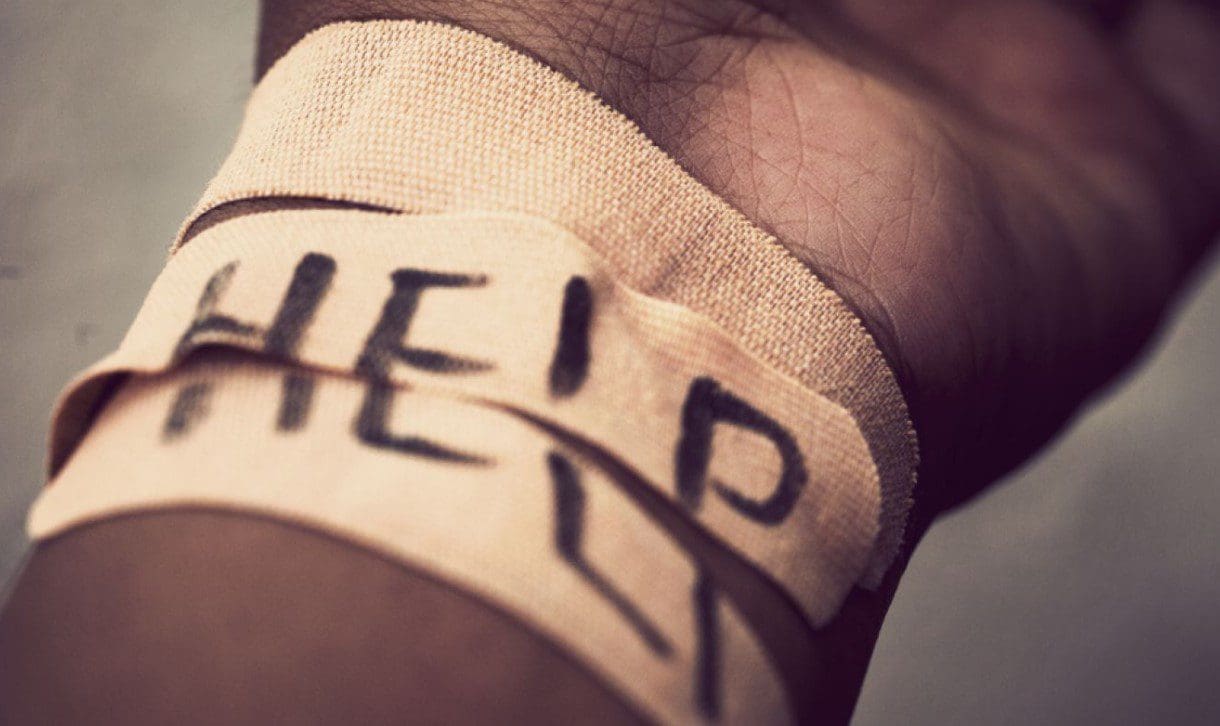
One of the biggest fears a therapist has is losing a client to suicide. This fear is both justified and real, especially given the increase in completed suicides since the pandemic. Along with this is also an increase in non-suicidal self-injury, especially among younger clients. In this training, we will look at the data and results of these increases as well as learn how to properly assess using the latest tools. We will end by learning some in-the-moment interventions to support people in crisis and skills to teach people resilience for long-term wellness.
Upon completion of this training, participants will be able to:
- Learn about research and data regarding SI/NSSI thoughts and behaviors.
- Identify risk and protective factors for SI and NSSI.
- Effectively manage suicidal and self-injurious behavior using in-the-moment skills
- Foster the development of essential life-long skills in your clients to develop resiliency and effective management of SI/NSSI thoughts and behaviors.
Syllabus:
Objective #1: Understanding Suicidal and Self-Injurious Behavior
- Define key terms: suicide, suicide attempt, indirect suicide, parasuicide, and non-suicidal self-injury (NSSI)
- Examine language guidelines for respectful and accurate communication
- Review current data and national statistics on suicide and NSSI
- Identify population trends including age, gender, race/ethnicity, and occupation-related risk
Objective #2: Risk Factors, Protective Factors, and Clinical Perspectives
- Explore causes and motivations for NSSI and suicidal behavior
- Discuss emotional regulation, trauma reenactment, and coping functions of self-injury
- Examine the mental state of suicidal individuals and their perception of hopelessness
- Apply the Diathesis-Stress Model and Polyvagal Theory to understand risk development
- Review protective factors including connection, community support, and cognitive flexibility
- Emphasize the role of hope, competence, and therapeutic relationship in risk reduction
Objective #3: In-the-Moment Interventions and Skills
- Introduce DBT-based TIPPs skills to regulate physiology and emotional response
- Provide grounding and sensory regulation techniques for immediate distress
- Apply validation and small-step problem solving to enhance client insight
- Utilize safety planning frameworks with client participation
- Recommend apps and virtual tools to support coping between sessions
- Offer alternatives to self-harm including simulation techniques and safe expressive outlets
Objective #4: Building Lifelong Coping Skills and Resilience
- Use ABC PLEASED and ABC DBT skills to reduce vulnerability and increase self-efficacy
- Promote emotion regulation, mastery, and self-care through structured daily practices
- Apply hope-building interventions such as gratitude, inspiration, and goal-setting
- Teach clients to reframe unhelpful thoughts and problem-solve with cognitive restructuring
- Practice mindfulness, radical acceptance, and values-aligned actions
- Support self-compassion as a tool for healing and emotional regulation
Objective #5: Changing the Cognitive Relationship with Suicidality and Self-Harm
- Use CPT techniques to address suicide-specific stuck points and beliefs
- Help clients examine and reframe thoughts of burdensomeness, hopelessness, and pain
- Guide clients through pros and cons analysis of self-harming behaviors
- Encourage meaning-making through purposeful action, experience, and acceptance
Objective #6: Emerging Medical and Therapeutic Interventions
- Introduce treatments such as ketamine therapy, transcranial magnetic stimulation, and vagus nerve stimulation
- Highlight their potential role in managing treatment-resistant depression and suicidality
Resources and Continuing Support
- Provide national and local emergency resources, safety planning tools, and crisis hotlines
- Share free educational brochures, suicide prevention platforms, and support networks
- Promote clinician self-awareness and support in managing emotional impact of client suicidality
Social workers completing this course receive 2 Clinical asynchronous continuing education credits.
For other board approvals, this course qualifies for 2 Clinical continuing education training.
Instructor: Stacy Blankenship, LCSW
Recording Date: 11/01/2024
CEUS On-Demand, LLC, provider #2274, is approved as an ACE provider to offer social work continuing education by the Association of Social Work Boards (ASWB) Approved Continuing Education (ACE) program. Regulatory boards are the final authority on courses accepted for continuing education credit. ACE provider approval period: 08/7/2026 - 08/6/2027. Social workers completing this course receive 2hrs Clinical continuing education credits.
CEUs On-Demand, LLC has been approved by NBCC as an Approved Continuing Education Provider, ACEP No. 7091. Programs that do not qualify for NBCC credit are clearly identified. CEUs On-Demand, LLC is solely responsible for all aspects of the programs.
System Requirements: Firefox, Chrome, Brave, Safari, Edge on any modern operating system (Windows, MacOS, Linux, Android, iOS). A desktop browser is recommended. We do not provide support resources for issues encountered using a mobile device.
Request for Special Accommodations: Learners can request special accommodations by contacting the administrative team at admin@ceus-ondemand.com